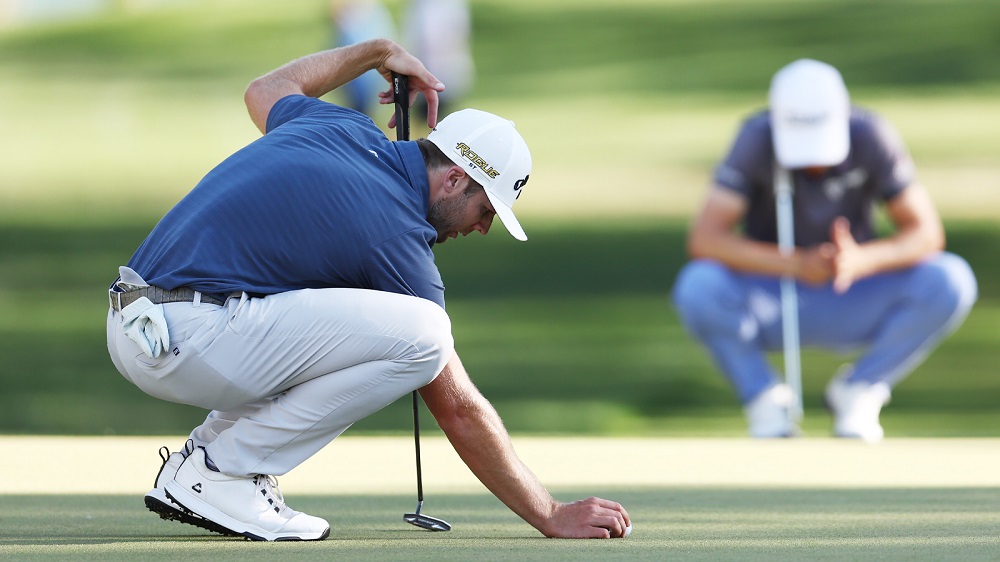
Mastering the Short Game
The short game is where matches are often won or lost. It includes shots played near or on the green.
Key Components
- Chipping – Low, controlled shots that roll toward the hole
- Pitching – Higher shots with more loft and softer landing
- Putting – Rolling the ball accurately into the hole
Tips to Improve
- Focus on distance control rather than power
- Practice with different clubs for versatility
- Develop a consistent tempo and rhythm
Shot Shaping: Control Your Ball Flight
Shot shaping allows players to intentionally curve the ball.
Types of Shots
- Fade – Ball curves slightly from left to right
- Draw – Ball curves from right to left
- Straight Shot – Minimal curve, maximum accuracy
Why It Matters
- Helps avoid obstacles like trees and bunkers
- Improves course management
- Gives better control in windy conditions
Playing in Different Weather Conditions
Weather plays a crucial role in golf performance.
Adjustments to Make
- Windy Conditions
- Use lower shots to reduce air resistance
- Choose heavier clubs for stability
- Rainy Weather
- Expect less roll on fairways
- Maintain a firmer grip
- Hot Conditions
- Stay hydrated
- Manage energy levels carefully
Course Management: Thinking Like a Pro
Strategic thinking separates average players from great ones.
Smart Decision-Making
- Play safe shots when risks are high
- Aim for the center of the green, not always the flag
- Understand your club distances
- Plan each hole before taking your shot
Mental Toughness in Golf
Golf is often described as a mental game as much as a physical one.
Building a Strong Mindset
- Stay focused on the present shot only
- Avoid dwelling on mistakes
- Develop a consistent pre-shot routine
- Practice patience and emotional control
Handling Pressure
- Breathe deeply before critical shots
- Visualize successful outcomes
- Trust your practice and preparation
Common Advanced Mistakes
Even experienced players can fall into these traps:
- Overthinking simple shots
- Ignoring course conditions
- Playing too aggressively under pressure
- Neglecting mental preparation
Golf Practice Drills for Improvement
Effective Drills
- Putting Gate Drill – Improves alignment and accuracy
- One-Handed Swing Drill – Enhances control
- Target Practice Drill – Builds precision
- Bunker Practice Drill – Improves sand shots
Consistency in practice leads to noticeable improvement over time.
Nutrition and Hydration for Golfers
Proper nutrition supports performance during long rounds.
What to Focus On
- Eat light, energy-rich meals before playing
- Carry snacks like nuts, fruits, or energy bars
- Drink water regularly to avoid fatigue
Avoid heavy meals that can reduce mobility and concentration.
Golf Travel: Best Destinations Around the World
Top Golf Destinations
- Scotland – The birthplace of golf
- USA – Home to iconic championship courses
- Dubai – Luxury desert golf experiences
- Australia – Coastal courses with scenic beauty
Traveling for golf offers both challenge and unforgettable experiences.
The Future of Golf
Golf continues to evolve with changing trends and innovations.
What Lies Ahead
- Increased use of AI and data analytics
- Growth of virtual golf and simulators
- More inclusive and diverse participation
- Sustainable and eco-friendly course designs
The sport is becoming more accessible while maintaining its traditional charm.
FAQs on Advanced Golf
1. How can I lower my golf score quickly?
Focus on improving your short game and putting, as they have the biggest impact on scores.
2. What is the best way to handle pressure during a match?
Develop a consistent routine and breathing techniques to stay calm and focused.
3. How important is physical fitness in golf?
Fitness improves strength, flexibility, and endurance, all of which enhance performance.
4. Should I practice every day?
Quality matters more than quantity—3–4 focused sessions per week are effective.
5. How do I choose the right club for each shot?
Understand your distance range for each club and consider course conditions.
6. Can weather really affect my score?
Yes, factors like wind and rain can significantly impact ball control and distance.
7. Is professional coaching necessary to improve?
While not mandatory, coaching can help identify mistakes and accelerate improvement.