

Introduction
Tennis is a physically demanding sport that requires a blend of strength, speed, endurance, and agility. Players must react quickly, move efficiently, and maintain energy throughout long matches. A structured fitness and training routine not only improves performance but also reduces the risk of injuries.
Core Components of Tennis Fitness
1. Strength Training
Strength is crucial for generating power in strokes and maintaining stability during movement.
Key muscle groups to target:
- Core – for balance and rotational power
- Legs – for explosive movement and quick direction changes
- Upper body – for serves, volleys, and groundstrokes
Effective exercises:
- Squats and lunges
- Deadlifts
- Planks and core rotations
- Resistance band training
Agility and Footwork
Why It Matters
Tennis involves constant movement in multiple directions. Agility training improves reaction time and court coverage.
Best drills:
- Ladder drills for quick footwork
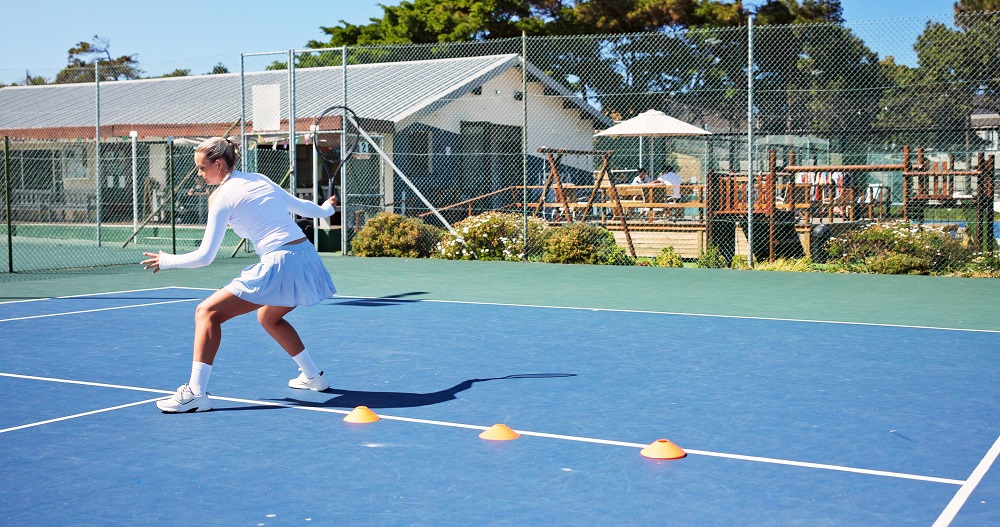
- Cone drills for directional changes
- Split-step practice for better anticipation
Benefits:
- Faster positioning
- Improved balance
- Better shot preparation
Endurance and Stamina
Long rallies and matches require high levels of stamina.
Ways to build endurance:
- Interval training (short sprints + recovery)
- Continuous running or cycling
- Extended rally drills on the court
Pro Tip: Mimic match conditions during training to build sport-specific endurance.
Speed and Explosiveness
Explosive movements are essential for reaching difficult shots and executing powerful strokes.
Recommended exercises:
- Sprint drills
- Box jumps
- Medicine ball throws
These improve reaction time, acceleration, and shot power.
Flexibility and Mobility
Flexibility allows players to reach wide shots and maintain proper form.
Include in your routine:
- Dynamic stretching before practice
- Static stretching after sessions
- Yoga for mobility and recovery
Outcome: Reduced injury risk and smoother movement.
Sample Weekly Training Plan
Beginner
- 2–3 days: Basic strength + light cardio
- 2 days: Tennis practice
- 1 day: Flexibility and recovery
Intermediate
- 3–4 days: Strength and agility training
- 2–3 days: On-court drills and matches
- 1 day: Active recovery
Advanced
- 5–6 days: High-intensity mixed training
- Daily focus on mobility and recovery
Nutrition for Tennis Players
Proper nutrition fuels performance and recovery.
Key guidelines:
- Carbohydrates for energy
- Protein for muscle repair
- Healthy fats for sustained performance
Pre-match foods:
- Bananas
- Oats
- Whole grains
Post-match recovery:
- Protein shakes
- Lean meats
- Fruits and hydration
Hydration and Recovery
Staying hydrated is essential, especially during long matches.
Recovery strategies:
- Drink water and electrolytes
- Use foam rollers or massages
- Get adequate sleep
Injury Prevention Tips
- Always warm up before playing
- Use proper technique
- Wear appropriate footwear
- Avoid overtraining
Common Training Mistakes
- Ignoring fitness and focusing only on hitting
- Skipping warm-ups and cool-downs
- Overtraining without rest
- Poor nutrition and hydration habits
Avoiding these mistakes ensures long-term progress and performance.
Conclusion
Fitness and training are the foundation of success in tennis. By combining strength, agility, endurance, and flexibility, players can enhance their overall game and perform consistently at higher levels. A balanced routine, along with proper nutrition and recovery, is key to becoming a complete tennis player.
FAQs
1. How often should tennis players train?
Most players benefit from training 4–6 days per week, depending on their level.
2. What type of strength training is best for tennis?
Focus on functional exercises that improve core stability and leg strength.
3. Is cardio important for tennis players?
Yes, cardio improves endurance and stamina, which are essential for long matches.
4. How can I improve my speed on the court?
Incorporate sprint drills and agility exercises into your routine.
5. What should I eat before playing tennis?
Choose light, energy-rich foods like bananas, oats, or whole grains.
6. How do I prevent injuries in tennis?
Warm up properly, train consistently, and allow time for recovery.
7. Can beginners follow the same training plan as professionals?
No, beginners should start with basic routines and gradually increase intensity.


