

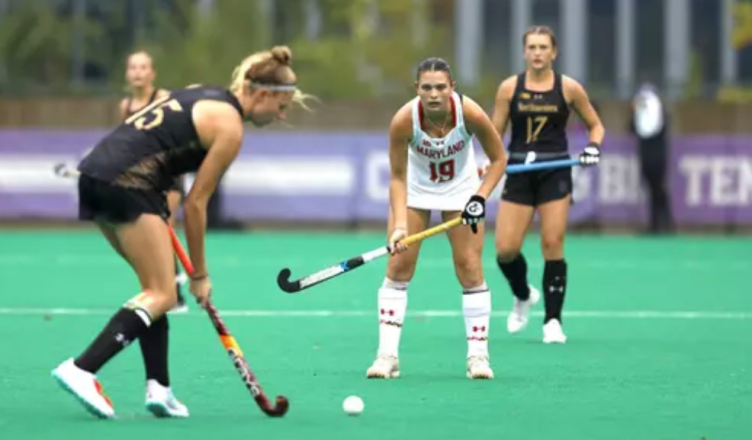
Introduction to Hockey Skills
Success in hockey depends on more than just physical strength—it requires a blend of technical ability, quick thinking, and coordination. Whether playing field or ice hockey, mastering core skills is essential for improving performance and contributing effectively to the team.
This guide explores the most important skills and techniques every hockey player should develop.
Fundamental Hockey Skills
1. Dribbling (Ball/Puck Control)
Dribbling is the ability to move while maintaining control of the ball or puck.
Key points:
- Keep the ball close to the stick
- Use soft touches for better control
- Maintain a low body posture
- Practice both forehand and backhand
Strong dribbling helps players navigate through defenders with ease.
2. Passing
Passing ensures smooth team coordination and builds attacking opportunities.
Types of passes:
- Push pass (short distance)
- Hit pass (long distance)
- Flick pass (lifting the ball)
Tips for accuracy:
- Keep eyes on the target
- Use proper body alignment
- Communicate with teammates
3. Shooting
Scoring goals requires precision, timing, and power.
Common shooting techniques:
- Push shot: Quick and accurate
- Slap shot: Powerful and fast
- Flick: Used to lift the ball over defenders
Practice shooting under pressure to simulate real match situations.
4. Tackling
Defensive skills are crucial for stopping opponents and regaining possession.
Types of tackling:
- Block tackle
- Jab tackle
- Reverse tackle
Important tips:
- Time your tackle carefully
- Stay balanced and low
- Avoid fouls by maintaining control
Advanced Hockey Techniques
1. Drag Flick
A specialized technique mainly used during penalty corners in field hockey.
- Combines speed and elevation
- Requires strong wrist and body coordination
- One of the most effective goal-scoring methods
2. Aerial Passing
Used to bypass defenders by lifting the ball into the air.
- Requires precision and control
- Useful for long-distance plays
- Must be executed safely to avoid fouls
3. 3D Skills
Modern hockey involves lifting the ball slightly off the ground to avoid tackles.
- Enhances attacking creativity
- Useful in tight spaces
- Requires excellent stick control
Physical Fitness for Hockey Players
Essential Fitness Components:
- Speed: Quick sprints and acceleration
- Agility: Rapid direction changes
- Endurance: Sustaining performance throughout the match
- Strength: For powerful shots and stability
Training Tips:
- Include sprint drills and interval training
- Practice agility ladders
- Focus on core strength exercises
Mental Skills in Hockey
Hockey is as much a mental game as it is physical.
Important Mental Aspects:
- Game awareness: Understanding positioning and strategy
- Decision-making: Quick choices under pressure
- Focus: Maintaining concentration throughout the match
- Confidence: Trusting your skills
Common Mistakes to Avoid
- Holding the stick too tightly
- Poor positioning on the field
- Over-dribbling instead of passing
- Lack of communication with teammates
- Ignoring defensive responsibilities
Avoiding these mistakes can significantly improve overall performance.
Tips to Improve Your Hockey Skills
- Practice regularly with structured drills
- Watch professional matches for learning
- Play with better players to challenge yourself
- Focus on both strengths and weaknesses
- Stay consistent and patient
Importance of Teamwork
Hockey is a team sport where coordination and communication are vital.
- Support teammates on and off the ball
- Maintain proper spacing
- Build trust within the team
- Follow game strategies
Strong teamwork often makes the difference between winning and losing.
FAQs About Hockey Skills and Techniques
1. What is the most important skill in hockey?
Ball or puck control is fundamental, as it affects passing, shooting, and overall gameplay.
2. How can beginners improve quickly?
By practicing basic skills like dribbling and passing regularly and focusing on consistency.
3. What is the hardest skill to master?
Advanced techniques like drag flicking and aerial passing require significant practice and coordination.
4. How important is fitness in hockey?
Very important—fitness directly impacts speed, endurance, and overall performance.
5. Can skills be improved without a team?
Yes, individual drills and practice sessions can greatly enhance skills.
6. How long does it take to become good at hockey?
It depends on practice frequency, but consistent training over months leads to noticeable improvement.
7. Why is teamwork essential in hockey?
Because success depends on coordinated efforts rather than individual performance alone.

