

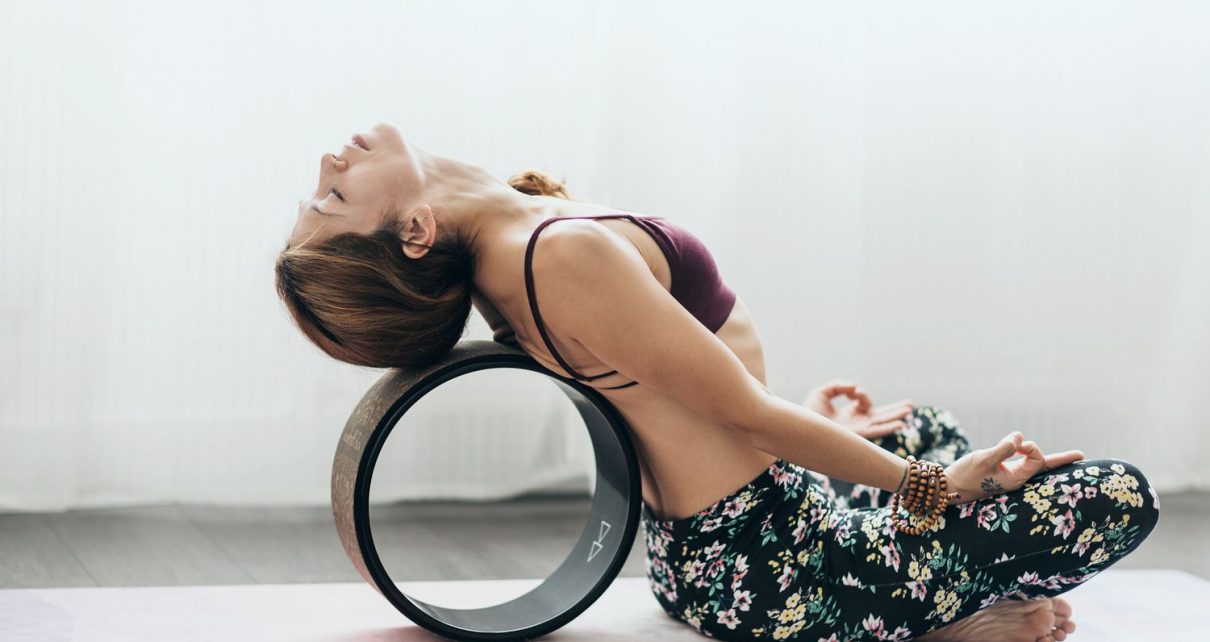
The pathway from yoga studio to elite sports preparation is shorter than most people expect, and it is getting shorter as Singapore’s sports performance community becomes more sophisticated in its understanding of what physical qualities actually determine competitive outcomes. Spinal mobility, specifically the thoracic extension and rotation that the yoga wheel addresses most effectively, has been identified as a limiting factor in performance across a surprisingly wide range of sports disciplines, and the coaches who have integrated yoga wheel work into their athletes’ preparation programmes are finding it one of the more transferable tools in their mobility training arsenal.
Why Thoracic Mobility Matters for Sport
The relationship between thoracic mobility and athletic performance is less intuitive than the connection between lower limb mobility and sports performance, but it is no less real and no less measurable in competitive outcomes.
Rotational power generation, which underlies performance in throwing sports, racket sports, swimming, golf, and combat sports, depends directly on the thoracic spine’s ability to create and store rotational displacement that can be explosively released through the kinetic chain. The thoracic spine’s designed rotation range of approximately 35 to 50 degrees per side provides the primary rotational displacement that drives this power generation. When thoracic rotation is restricted, athletes compensate through increased lumbar rotation, which is both a less powerful rotation source and a significantly higher injury risk location.
Research in golf biomechanics has documented that golfers with greater thoracic rotation produce higher club head velocity, and that intervention programmes improving thoracic mobility produce measurable improvements in driving distance. Similar relationships have been documented in baseball pitching velocity, swimming stroke efficiency, and tennis serve speed, all of which involve thoracic rotation as a primary power generator.
Overhead mobility for sports requiring arm elevation, including swimming, volleyball, gymnastics, and overhead lifting events, is directly limited by thoracic extension mobility. The final degrees of glenohumeral elevation in overhead reaching depend on concurrent thoracic extension because the scapula’s upward rotation, which creates the joint space that overhead arm movement requires, is limited by the thoracic spine’s extension position. Athletes with restricted thoracic extension develop compensatory shoulder impingement patterns that are both performance-limiting and injury-producing.
Breathing mechanics for endurance performance are influenced by thoracic mobility in ways that are significant enough to affect competitive outcomes. The rib cage expansion that maximal breathing requires is limited by thoracic stiffness, which reduces vital capacity and increases the respiratory effort required for any given level of ventilation. Endurance athletes with improved thoracic mobility show measurably better respiratory mechanics that translate into improved oxygen delivery efficiency during competition.
How Singapore’s Sports Coaches Are Programming the Yoga Wheel
The sports performance coaches in Singapore who have integrated yoga wheel work most effectively have done so by identifying the specific movement patterns their athletes need and designing wheel-based interventions that prepare those specific patterns rather than using generic yoga wheel protocols.
For rotational sport athletes, including golfers, tennis players, and swimmers in Singapore’s competitive sport community, the yoga wheel programming focuses heavily on thoracic rotation mobility in the wheel-supported reclined position, combined with the thoracic extension work that creates the segmental mobility prerequisite for effective rotation. A ten to fifteen minute thoracic mobility circuit using the yoga wheel, performed as part of the warm-up before rotational power work or as a recovery session between high-intensity training days, consistently improves post-session rotation range and subjective movement quality in these athletes.
For overhead athletes, including volleyball players, badminton players, and gymnasts, the programming prioritises the thoracic extension and shoulder complex mobility that overhead arm position demands. The wheel-supported thoracic extension sequence described in the previous articles of this batch provides the specific mobility input that these athletes need, complemented by serratus anterior and lower trapezius activation work that addresses the scapular stability component of overhead performance.
For combat sports athletes, the thoracic rotation and extension improvements from yoga wheel work contribute to striking power, clinch work effectiveness, and the postural resilience that sustained combat demands. Several Singapore-based boxing and mixed martial arts coaches have incorporated yoga wheel sessions into their athletes’ recovery protocols specifically for the thoracic decompression that the sustained forward-loaded postures of combat sports training produce.
The Periodisation of Mobility Work
Singapore’s more sophisticated sports performance practitioners are thinking about yoga wheel work within a periodisation framework rather than as a fixed, undifferentiated component of every training session. The timing and character of mobility work across the competitive season affects both its effectiveness and its interaction with other training stimuli.
During high-intensity training periods, yoga wheel work is most valuable as a recovery tool: the passive, sustained thoracic extension that the wheel supports activates the parasympathetic nervous system, reduces the spinal compressive loading of intense training, and maintains mobility gains without creating additional recovery demands. Sessions of ten to twenty minutes at low intensity serve this recovery function while maintaining the mobility adaptations built during dedicated mobility training phases.
During dedicated mobility development phases, typically in the pre-season or early preparation period, yoga wheel work can be more intensive: longer holds, greater range progression, and more deliberate loading of restricted thoracic segments to drive the structural remodelling that genuinely improves mobility range rather than simply temporarily increasing it.
In the competition taper, yoga wheel work serves primarily a priming and maintenance function: maintaining the mobility gains of the preparation period while avoiding any training stress that might compromise competition readiness.
Studios like Yoga Edition that understand the periodisation language of sports performance and can design yoga wheel programming that fits within athletes’ broader training frameworks are positioned to serve Singapore’s sports community in ways that studios focused exclusively on general wellness programming cannot approach. The translation of yoga prop work into the evidence-based language of sports performance is one of the more promising interfaces between Singapore’s mature yoga community and its ambitious sports performance sector.


