

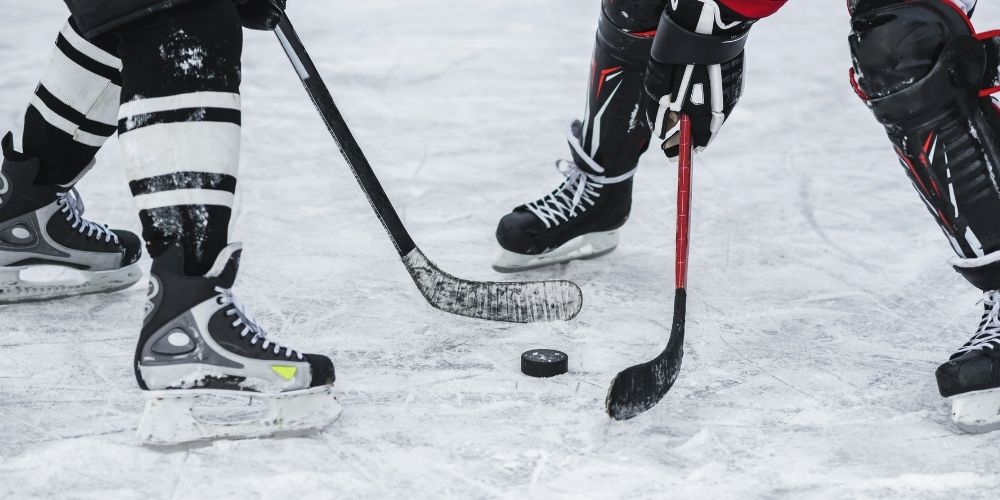
What is Ice Hockey?
Ice hockey is a high-speed team sport played on an ice rink, where players use sticks to shoot a puck into the opponent’s goal. It is known for its intensity, physicality, and rapid transitions, making it one of the most thrilling sports to watch and play.
Each team has six players on the ice at a time:
- 3 forwards
- 2 defensemen
- 1 goalkeeper (goalie)
Origin and Evolution
Ice hockey originated in Canada in the 19th century, evolving from stick-and-ball games played on frozen lakes.
- First organized indoor game: 1875 in Montreal
- Became Canada’s national winter sport
- Spread globally through leagues and international competitions
Today, ice hockey is especially popular in Canada, the USA, Russia, Sweden, and Finland.
Rules of Ice Hockey
Objective
Score goals by hitting the puck into the opponent’s net using a hockey stick.
Game Format
- Played in three periods of 20 minutes each
- Includes stoppages and intermissions
- Sudden-death overtime in tied matches (in some formats)
Key Rules:
- Players must stay onside when entering the attacking zone
- Icing occurs when the puck is shot across multiple lines without contact
- Body checking is allowed but regulated
- High-sticking and tripping result in penalties
Player Positions and Roles
Forwards
- Primary goal scorers
- Includes center and wingers
Defensemen
- Protect their goal
- Block shots and support offense
Goalie
- Guards the net
- Uses specialized gear to stop the puck
Important Ice Hockey Skills
Core Skills:
- Skating: The foundation of speed and agility
- Stickhandling: Controlling the puck while moving
- Passing: Quick and precise puck movement
- Shooting: Wrist shots, slap shots, and backhands
Advanced Skills:
- Body positioning and checking
- Anticipation and reaction time
- Team coordination
Equipment Used in Ice Hockey
Ice hockey requires extensive protective gear due to its physical nature:
- Helmet with visor or cage
- Shoulder pads and elbow pads
- Gloves and skates
- Stick and puck
- Goalie gear: Heavily padded equipment
Major Ice Hockey Leagues and Tournaments
- National Hockey League (NHL) – The top professional league
- Winter Olympics
- IIHF World Championship
- Stanley Cup – One of the most prestigious trophies
These competitions feature the best players and teams worldwide.
Why Ice Hockey is So Popular
Key Reasons:
- Fast-paced action keeps fans engaged
- High level of physical intensity
- Requires teamwork and strategy
- Electrifying atmosphere in arenas
The combination of skill and speed makes it unique among global sports.
Differences Between Ice Hockey and Field Hockey
| Feature | Ice Hockey | Field Hockey |
|---|---|---|
| Surface | Ice rink | Grass/Turf |
| Object | Puck | Ball |
| Players per team | 6 | 11 |
| Physical contact | Allowed | Limited |
| Speed | Extremely fast | Moderately fast |
Future of Ice Hockey
Ice hockey is expanding beyond traditional regions:
- Growth in Asia and Europe
- Improved broadcast technology
- Youth development programs worldwide
- Increasing women’s participation
The sport continues to gain new fans and players globally.
FAQs About Ice Hockey
1. Why is ice hockey played in periods instead of halves?
Periods allow for ice maintenance and keep gameplay fast and manageable.
2. What is icing in ice hockey?
It occurs when a player shoots the puck across the rink without it being touched.
3. How fast can a hockey puck travel?
A puck can exceed speeds of 150 km/h during powerful shots.
4. Is ice hockey dangerous?
It can be physical, but modern protective gear significantly reduces injury risks.
5. What is the role of a center player?
The center leads offensive plays and takes face-offs.
6. Can ice hockey be played recreationally?
Yes, many amateur leagues and local rinks support recreational play.
7. Why do players substitute frequently?
Due to the high intensity, players rotate every few minutes to maintain performance.

