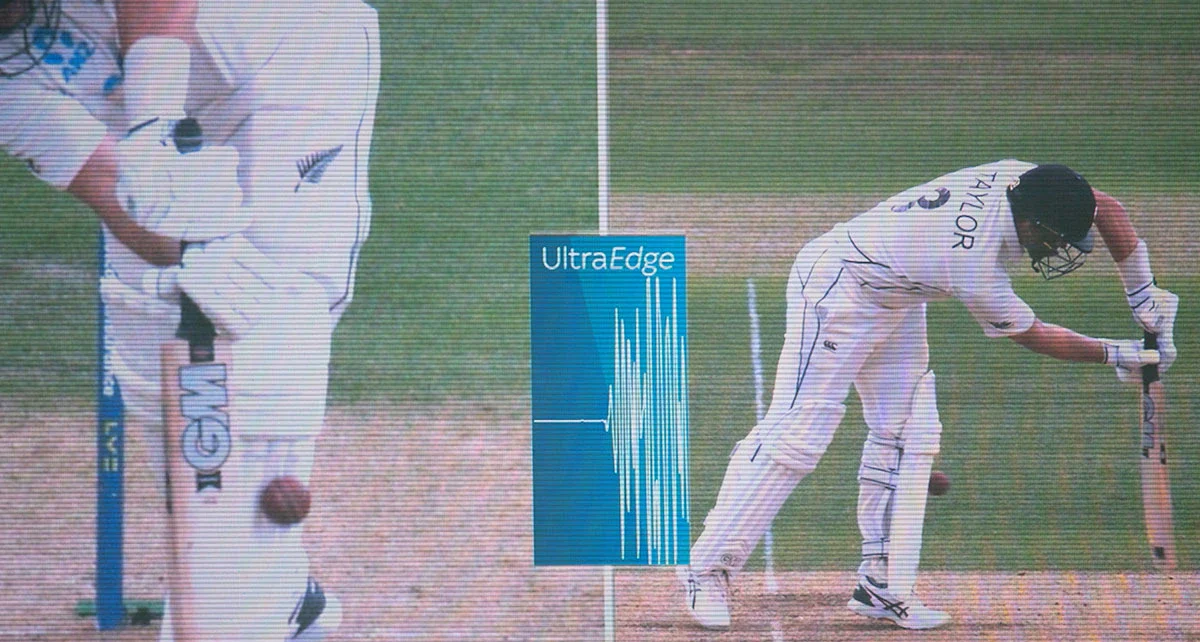
Cricket has undergone a massive transformation over the past few decades, thanks to rapid technological advancements. What was once a game dependent solely on human judgment has evolved into a highly precise and data-driven sport. Technology now plays a crucial role in ensuring fairness, improving performance, and enhancing the viewing experience.
Evolution of Technology in Cricket
In earlier times, decisions relied entirely on on-field umpires, which sometimes led to errors. With the introduction of modern tools, cricket has become more accurate and transparent.
Key Developments Over Time
- Introduction of third umpire decisions
- Adoption of Decision Review System (DRS)
- Use of advanced broadcasting technologies
- Integration of data analytics and performance tracking
Decision Review System (DRS)
DRS is one of the most significant innovations in cricket.
How DRS Works
- Players can challenge umpire decisions
- The review is analyzed using multiple technologies
Technologies Used in DRS
- Hawk-Eye: Tracks ball trajectory
- UltraEdge (Snickometer): Detects edges using sound waves
- Ball Tracking: Predicts ball path for LBW decisions
Impact of DRS
- Reduces human error
- Increases fairness in decision-making
- Adds strategic depth to the game
Third Umpire and TV Replays
The third umpire acts as a video assistant referee.
When is it Used?
- Close run-out decisions
- Stumpings
- Boundary checks
Benefits
- Provides slow-motion replays
- Ensures accurate outcomes
- Supports on-field umpires in difficult situations
Smart Broadcasting and Viewer Experience
Technology has revolutionized how fans watch cricket.
Innovations in Broadcasting
- SpiderCam: Aerial camera providing dynamic angles
- Hotspot: Infrared imaging to detect ball contact
- Real-time graphics: Speed, pitch maps, wagon wheels
Why It Matters
- Enhances viewer engagement
- Makes the game easier to understand
- Brings fans closer to the action
LED Stumps and Bails
Modern cricket uses LED stumps that light up instantly when disturbed.
Advantages
- Helps in accurate run-out decisions
- Useful in low-light conditions
- Adds a visual appeal to matches
Data Analytics and Performance Tracking
Teams now rely heavily on data to improve performance.
How Analytics is Used
- Player performance analysis
- Opponent strategy planning
- Fitness and workload management
Tools and Methods
- Video analysis software
- Wearable fitness trackers
- AI-driven insights
Wearable Technology in Cricket
Modern players use wearable devices to track physical performance.
Examples
- GPS trackers
- Heart rate monitors
- Motion sensors
Benefits
- Prevents injuries
- Improves fitness levels
- Optimizes training routines
Impact of Technology on Umpiring
Technology has significantly improved umpiring standards.
Key Improvements
- Reduced controversial decisions
- Increased confidence in rulings
- Better consistency across matches
However, debates still exist about over-reliance on technology.
Challenges and Criticism
Despite its advantages, technology in cricket is not without issues.
Common Concerns
- Expensive to implement
- Not available in all matches
- Occasional inaccuracies in predictions
- Interruptions in game flow
Future of Technology in Cricket
The future promises even more innovation.
What to Expect
- AI-powered decision systems
- Fully automated umpiring
- Enhanced fan interaction using AR/VR
- Deeper data insights for teams
Technology will continue to shape cricket into a more precise, engaging, and global sport.
FAQs About Technology in Cricket
1. What is DRS in cricket?
DRS is a system that allows players to challenge umpire decisions using technology.
2. What is Hawk-Eye used for?
It tracks the ball’s path and helps in LBW decisions.
3. How does UltraEdge work?
It detects edges by analyzing sound and visual data when the ball passes the bat.
4. What is the role of the third umpire?
The third umpire reviews decisions using video replays for accuracy.
5. Are LED stumps necessary?
They improve decision-making, especially in close run-out situations.
6. Does technology slow down the game?
Sometimes, but it ensures more accurate and fair decisions.
7. Will technology replace umpires completely?
Unlikely, but it will continue to assist and improve decision-making.