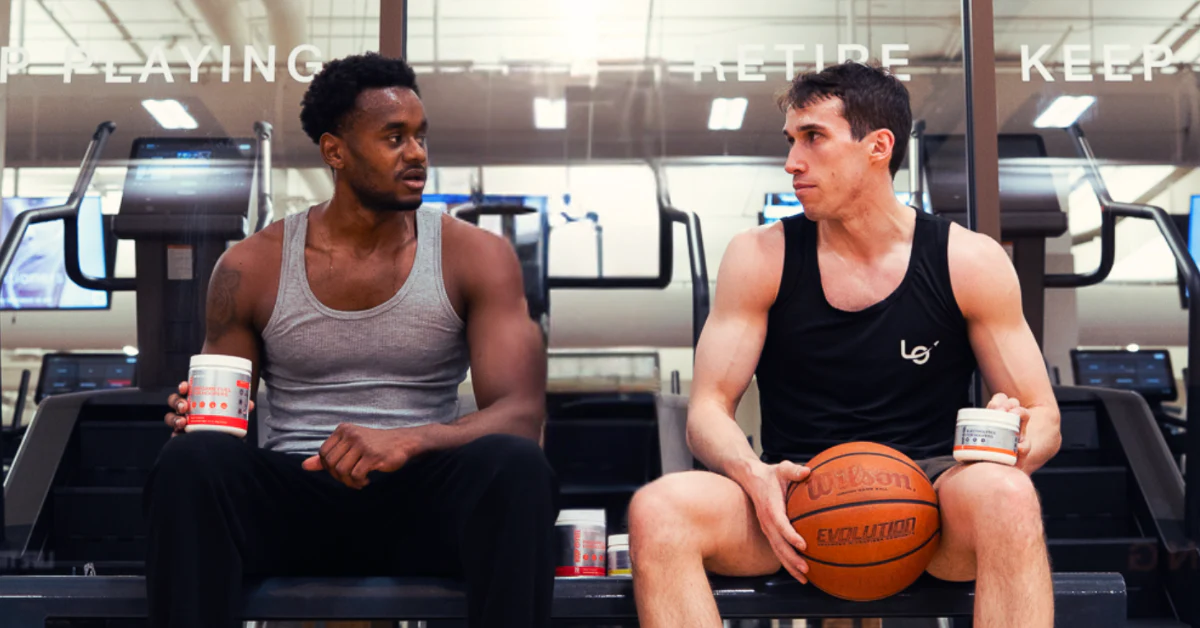
Basketball is a physically demanding sport that requires speed, strength, endurance, agility, and mental focus. While skill development is essential, fitness and nutrition play an equally critical role in determining a player’s overall performance. Without proper conditioning and a balanced diet, even the most talented players can struggle to perform at their best.
Why Fitness Matters in Basketball
Fitness directly impacts how effectively a player can move, react, and sustain performance throughout a game.
Key Physical Requirements
- Endurance for running up and down the court
- Strength for rebounding and defense
- Speed and agility for quick movements
- Explosiveness for jumping and sprinting
Benefits of Good Fitness
- Improved stamina during long games
- Faster recovery between plays
- Reduced risk of injuries
- Better consistency in performance
Essential Fitness Components for Basketball
1. Cardiovascular Endurance
Basketball involves constant movement, making endurance crucial.
How to Improve:
- Interval running
- Sprint drills
- Skipping and cycling
2. Strength Training
Strength enhances physical battles on the court, such as screening and rebounding.
Focus Areas:
- Legs (squats, lunges)
- Core (planks, crunches)
- Upper body (push-ups, resistance training)
3. Agility and Speed
Quick directional changes are a key part of the game.
Drills to Practice:
- Ladder drills
- Cone drills
- Shuttle runs
4. Flexibility and Mobility
Flexibility helps prevent injuries and improves movement efficiency.
Recommended Activities:
- Dynamic stretching before games
- Static stretching after workouts
- Yoga for overall mobility
The Importance of Nutrition in Basketball
Nutrition fuels the body and supports recovery. A well-balanced diet ensures players have the energy needed to perform at high intensity.
Key Nutrients for Basketball Players
1. Carbohydrates – Energy Source
- Provide fuel for intense physical activity
- Found in rice, pasta, fruits, and whole grains
2. Protein – Muscle Repair
- Helps rebuild muscles after training
- Sources include eggs, chicken, fish, and legumes
3. Healthy Fats – Sustained Energy
- Support long-duration performance
- Found in nuts, seeds, and avocados
4. Vitamins and Minerals
- Boost immunity and recovery
- Found in vegetables and fruits
Hydration: The Overlooked Factor
Staying hydrated is essential for maintaining performance and preventing fatigue.
Hydration Tips
- Drink water before, during, and after games
- Avoid dehydration, which can lead to cramps and reduced focus
- Use electrolyte drinks during intense sessions
Pre-Game and Post-Game Nutrition
Pre-Game Meals
- Focus on carbohydrates and light protein
- Eat 2–3 hours before the game
- Example: Rice with vegetables and lean protein
Post-Game Recovery
- Replenish energy with carbs and protein
- Include fluids to restore hydration
- Example: Banana smoothie with protein
Recovery and Rest
Recovery is just as important as training. Without proper rest, performance declines.
Key Recovery Practices
- Sleep 7–9 hours daily
- Use stretching and foam rolling
- Take rest days to avoid overtraining
Combining Fitness and Nutrition for Peak Performance
The best results come from combining both elements effectively.
Winning Strategy
- Train consistently with a structured fitness plan
- Follow a balanced and nutrient-rich diet
- Stay hydrated and prioritize recovery
Players who focus on both fitness and nutrition gain a competitive edge, allowing them to perform better and stay injury-free.
Frequently Asked Questions (FAQs)
1. Why is fitness important in basketball?
Fitness improves endurance, strength, and agility, helping players perform consistently throughout the game.
2. What should basketball players eat daily?
A balanced diet with carbohydrates, protein, healthy fats, and vitamins is essential.
3. How much water should a basketball player drink?
Players should drink regularly throughout the day and increase intake during training and games.
4. Is strength training necessary for basketball?
Yes, it helps improve power, balance, and resistance against physical contact.
5. What is the best pre-game meal?
A meal rich in carbohydrates with moderate protein, eaten a few hours before the game, is ideal.
6. How does nutrition affect recovery?
Proper nutrition helps repair muscles, restore energy, and reduce fatigue after games.
7. Can poor fitness affect basketball performance?
Yes, it can lead to fatigue, slower reactions, and increased risk of injury.